

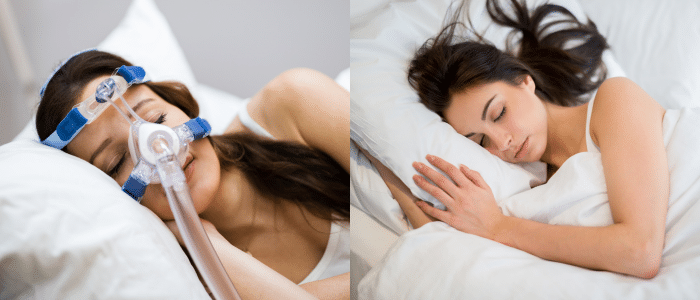
If you’ve recently been diagnosed with obstructive sleep apnea, you’ve probably heard about CPAP therapy. For many people, it’s the first treatment their physician recommends. But it’s not the only option.
Today, many patients successfully treat sleep apnea with a custom oral appliance made by a qualified dentist. In fact, for some people—especially those with mild to moderate obstructive sleep apnea or who struggle to tolerate CPAP—oral appliance therapy can be an excellent alternative.
So which treatment is right for you?
Let’s compare the two so you can make a more informed decision with your healthcare team.
First, What Is Sleep Apnea?
Obstructive sleep apnea (OSA) occurs when the muscles and tissues in the back of your throat relax while you sleep, causing your airway to become partially or completely blocked.
These repeated interruptions in breathing can happen dozens—or even hundreds—of times every night, reducing oxygen levels and disrupting the restorative sleep your body needs.
Untreated sleep apnea has been associated with an increased risk of:
- High blood pressure
- Heart disease
- Stroke
- Type 2 diabetes
- Daytime fatigue
- Difficulty concentrating
- Depression and mood changes
Because of these risks, treating sleep apnea is about much more than reducing snoring—it’s an important investment in your overall health.
What Is CPAP Therapy?
CPAP stands for Continuous Positive Airway Pressure.
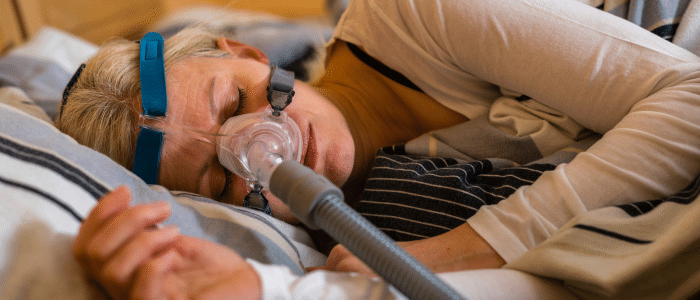
A CPAP machine delivers a steady stream of air through a mask while you sleep. This gentle air pressure helps prevent your airway from collapsing, allowing you to breathe normally throughout the night.
CPAP is considered the gold standard treatment for many patients with moderate to severe obstructive sleep apnea.
Benefits of CPAP
- Highly effective when used consistently
- Appropriate for many moderate and severe cases
- Non-surgical treatment
- Proven through decades of clinical research
Challenges Some Patients Experience
Although CPAP is highly effective, many patients struggle to use it every night.
Common concerns include:
- Wearing a mask while sleeping
- Air leaks
- Dry mouth
- Machine noise
- Claustrophobia
- Traveling with equipment
- Cleaning tubing and masks
For some people, these challenges make it difficult to wear CPAP consistently.
What Is Oral Appliance Therapy?
Oral appliance therapy uses a custom-made dental appliance that looks similar to a sports mouthguard or orthodontic retainer.
While you sleep, the appliance gently positions your lower jaw forward. This helps keep your airway open and reduces the airway obstruction that causes obstructive sleep apnea.
Unlike over-the-counter anti-snoring devices, custom oral appliances are professionally designed specifically for your bite and adjusted for comfort and effectiveness.
Learn more about our sleep apnea treatment in Mill Creek.
CPAP vs. Oral Appliance: Side-by-Side Comparison
| Feature | CPAP | Custom Oral Appliance |
|---|---|---|
| Best for | Often moderate to severe OSA | Often mild to moderate OSA or CPAP-intolerant patients |
| Comfort | Requires wearing a mask | Small, custom-fit appliance |
| Noise | Machine produces airflow | Virtually silent |
| Electricity | Required | Not required |
| Travel | Bulky equipment | Fits easily in a travel case |
| Daily Setup | Tubing, mask, machine | Insert before bed |
| Cleaning | Multiple components | Simple daily cleaning |
| Custom Fit | Mask options | Fully customized to your mouth |
| Portability | Moderate | Excellent |
Which Treatment Is More Effective?
This is one of the most common questions we hear.
The answer depends on two important factors:
Clinical Effectiveness
CPAP generally provides the highest level of airway support and remains the preferred treatment for many patients with moderate to severe obstructive sleep apnea.
Choosing a sleep apnea treatment also involves understanding what patients can comfortably use each night. The Dental Marketing Secrets Podcast covers how dental teams discuss treatment options, address patient concerns, and help patients make informed decisions about their care.
Real-World Effectiveness
Treatment only works if you actually use it.
Many people who own a CPAP machine stop wearing it regularly because of discomfort or inconvenience.
Because oral appliances are often easier to wear, many patients achieve excellent long-term results through consistent use.
The best treatment is the one that effectively manages your sleep apnea and that you can comfortably use every night.
Which Patients Are Good Candidates for Oral Appliance Therapy?
Oral appliance therapy may be appropriate if you:
- Have mild to moderate obstructive sleep apnea
- Have been diagnosed by a sleep physician
- Cannot tolerate CPAP
- Snore heavily
- Travel frequently
- Want a quieter treatment option
- Prefer a more comfortable solution
Every patient is different, which is why treatment recommendations should always be based on a comprehensive evaluation and diagnosis.
Can I Switch from CPAP to an Oral Appliance?
Many patients ask this question.
The answer is: possibly.
If you’ve been diagnosed with sleep apnea but struggle to wear your CPAP consistently, speak with both your sleep physician and your dentist.
Depending on the severity of your sleep apnea and your individual needs, oral appliance therapy may be an appropriate alternative.
Never stop using your prescribed treatment without consulting your physician.
What Does a Dentist Check Before Recommending an Oral Appliance?
An oral appliance needs to fit your teeth and jaw properly to support comfortable, consistent use. At Pacific Northwest Smiles, Dr. Greenhalgh can assess your oral health, bite, and jaw movement to help determine whether this treatment may be suitable for you. Your sleep physician remains involved in evaluating how well the appliance manages your sleep apnea.
Frequently Asked Questions
Is CPAP better than an oral appliance?
CPAP is generally considered the gold standard for many moderate to severe cases of obstructive sleep apnea. However, oral appliance therapy is an effective option for many patients with mild to moderate sleep apnea or those who cannot tolerate CPAP.
Is an oral appliance more comfortable?
Many patients find oral appliances easier to wear because they are small, custom-made, and don’t require a mask, tubing, or electricity.
Will an oral appliance stop snoring?
Many patients experience a significant reduction in snoring, although results vary depending on the cause and severity of the airway obstruction.
Can I travel with an oral appliance?
Yes. One of the biggest advantages of oral appliance therapy is portability. It fits easily into a small protective case and doesn’t require electricity.
Does insurance cover oral appliance therapy?
Many medical insurance plans provide benefits for oral appliance therapy when prescribed for diagnosed obstructive sleep apnea. Coverage varies by plan.
Which Option Is Right for You?
There’s no one-size-fits-all answer.
Some patients achieve the best results with CPAP. Others sleep better and use their treatment more consistently with a custom oral appliance.
At Pacific Northwest Smiles, Dr. Darren Greenhalgh works closely with patients and their sleep physicians to provide comfortable, custom oral appliance therapy for qualifying patients.
If you’d like to learn whether oral appliance therapy may be right for you, contact Pacific Northwest Smiles or call (425) 357-6400 to schedule a consultation.