

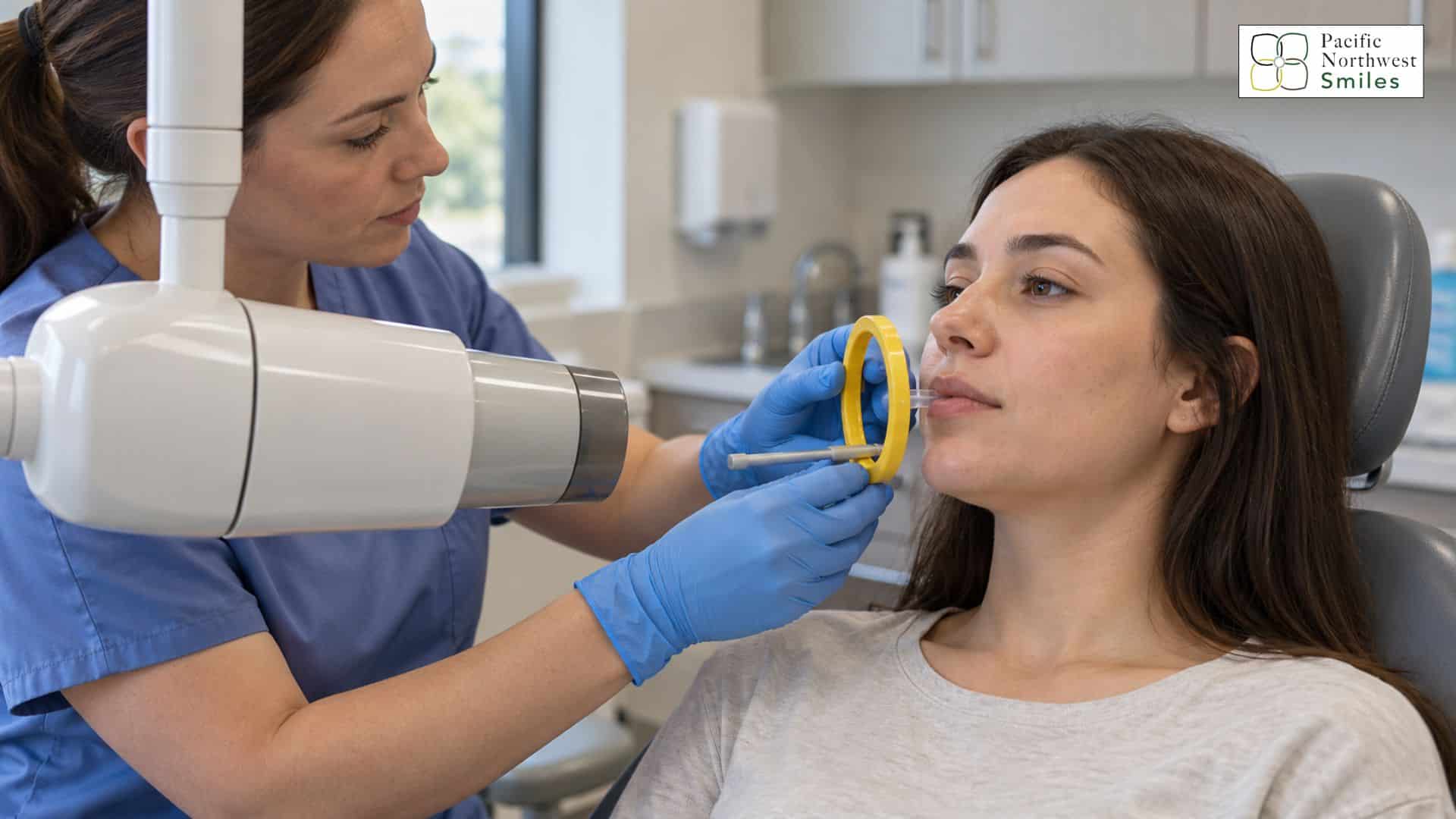
No. You do not automatically need dental X-rays at every checkup. Your dentist determines whether imaging is needed based on your oral health, symptoms, risk of dental disease, previous images, and examination findings. The American Dental Association and American Academy of Oral and Maxillofacial Radiology updated their patient-selection recommendations in 2026, emphasizing that imaging should…
Blog
What Happens During a New Patient Dental Exam?
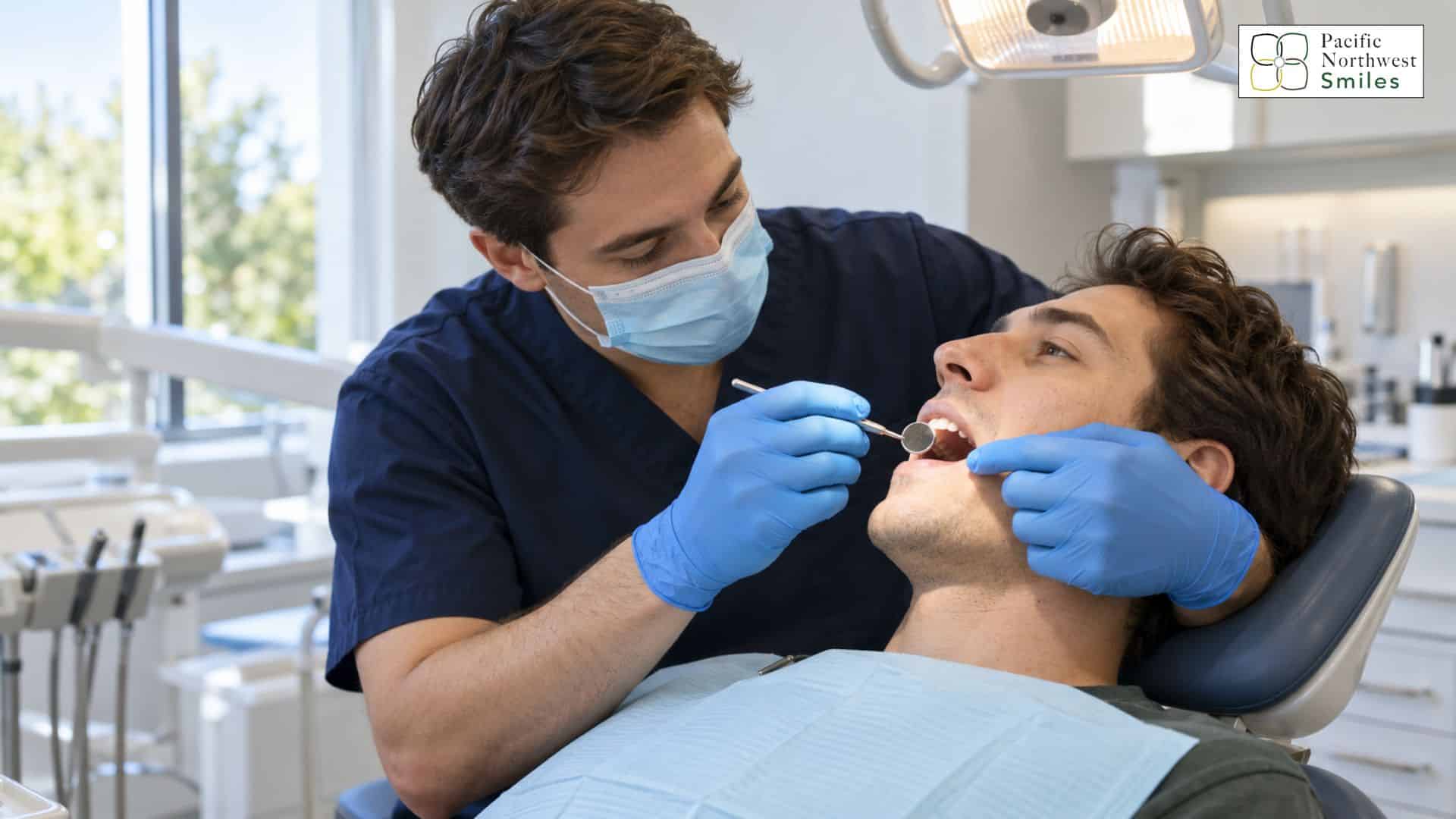
A new patient dental exam usually includes a review of your health history, a discussion of your concerns, and an examination of your teeth, gums, bite, and other oral tissues. Dental X-rays may be recommended when they provide information needed for diagnosis or treatment planning. The visit establishes a starting point for your care. Before…
What Should You Look for When Choosing a Dentist in Mill Creek?

Choosing a dentist in mill creek can bring up practical questions. Can the team help with your concern? Will someone explain the cost? What if you feel nervous or need treatment you do not understand? Start with those questions. You should feel comfortable discussing your needs, understand the care being recommended, and know what to…
What Happens If You Haven’t Been to the Dentist in Years?
Categories: CEREC, Cosmetic Dentistry, dental emergency, Dental Implants, Dentistry, General Dentistry

If you have been putting off a dental appointment, you may be worried about what the dentist will find, how much treatment will cost, or feeling embarrassed about the time away. At Pacific Northwest Smiles, we want you to feel comfortable returning. Your first appointment gives us a chance to listen to your concerns, check…
What Does an Oral Cancer Screening Check During a Dental Exam?
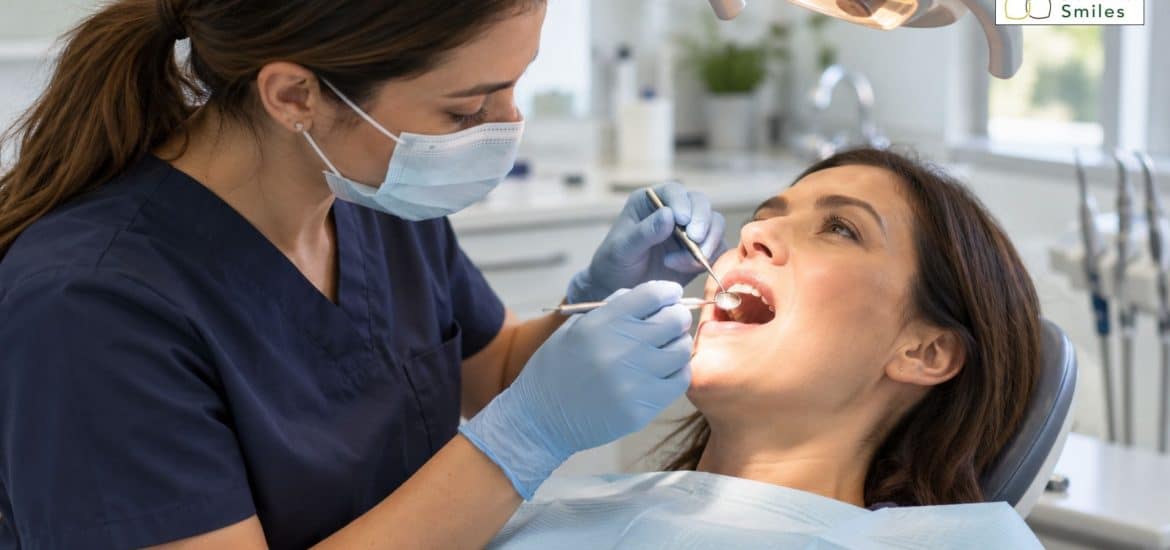
An oral cancer screening during a dental exam checks your mouth, tongue, lips, throat area, jaw, and neck for unusual tissue changes that may need a closer look. Your dentist may look for persistent sores, red or white patches, lumps, thickened tissue, or other changes that are different from surrounding areas. The examination is usually…
CPAP vs. Oral Appliance for Sleep Apnea: Which Is Right for You?
Categories: Snoring and Sleep Apnea Treatment

If you’ve recently been diagnosed with obstructive sleep apnea, you’ve probably heard about CPAP therapy. For many people, it’s the first treatment their physician recommends. But it’s not the only option. Today, many patients successfully treat sleep apnea with a custom oral appliance made by a qualified dentist. In fact, for some people—especially those with…
Can Sleep Apnea Cause High Blood Pressure? | Pacific Northwest Smiles
Categories: Snoring and Sleep Apnea Treatment

Yes it can. In fact, untreated obstructive sleep apnea (OSA) is one of the most common underlying conditions associated with high blood pressure (hypertension). Many people are surprised to learn that the quality of their sleep can have such a significant impact on their heart and blood vessels. If you’ve been diagnosed with high blood…
Can a Dentist Treat Sleep Apnea? | Pacific Northwest Smiles
Categories: Snoring and Sleep Apnea Treatment

Can a Dentist Treat Sleep Apnea? The answer is yes—but with one important distinction. A dentist can play an important role in treating obstructive sleep apnea (OSA), but dentists don’t diagnose the condition. Instead, they work closely with sleep physicians to provide custom oral appliance therapy for patients who have already been diagnosed with sleep…
Can Veneers Fix Crooked Teeth?

Yes… porcelain veneers can sometimes improve the appearance of mildly crooked teeth. In cosmetic dentistry, veneers are often used to create the appearance of a straighter, more symmetrical smile without orthodontics. However, veneers are not always the right solution for every alignment issue. When Veneers May Work Well Veneers may help improve: Because veneers reshape…
How Long Do Porcelain Veneers Last?

One of the biggest reasons patients choose porcelain veneers is durability. Most porcelain veneers can last 10–15 years or longer with proper care. Some patients enjoy beautiful veneer results for decades. Why Porcelain Veneers Last So Long Porcelain is: This makes veneers one of the most reliable cosmetic dentistry options available. What Can Shorten Veneer…