


Before a TMJ appointment, it can help to keep a short record of when your jaw symptoms occur, what you are doing when they start, how long they last, and whether anything makes them better or worse. This information can give your dentist a clearer picture of patterns that may not be obvious during a…
Dentistry
Can You Have Invisalign If You Already Have a Dental Crown?
Categories: Cosmetic Dentistry, Dental Implants, Dentistry, General Dentistry, Invisalign, Mill Creek Dentist
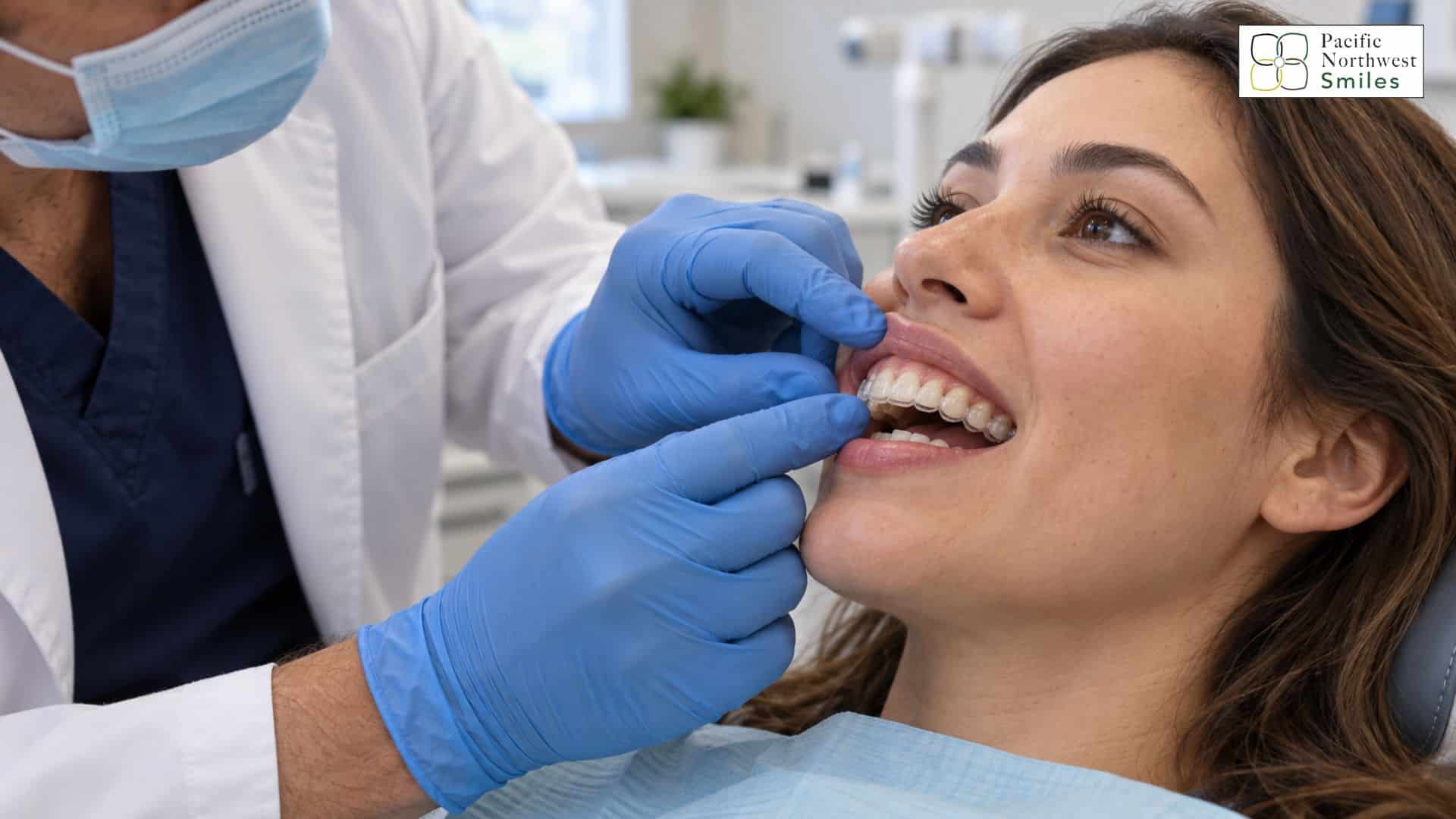
Yes, having a dental crown does not automatically prevent you from having Invisalign treatment. However, the crown, the tooth underneath it, your bite, and the way that tooth fits into the proposed movement all need to be evaluated before treatment begins. A dental crown becomes part of the overall Invisalign treatment plan rather than something…
Bleeding Gums When Brushing: When Should You Be Concerned?

Bleeding gums when brushing often indicate inflammation around the gumline. Brushing too hard or using floss incorrectly can also irritate the tissue. However, if your gums bleed repeatedly, it is worth having them checked, even if you do not feel pain. Pay attention to how often the bleeding happens and whether you notice redness, swelling,…
Plaque vs. Tartar: Why Brushing Cannot Remove Everything
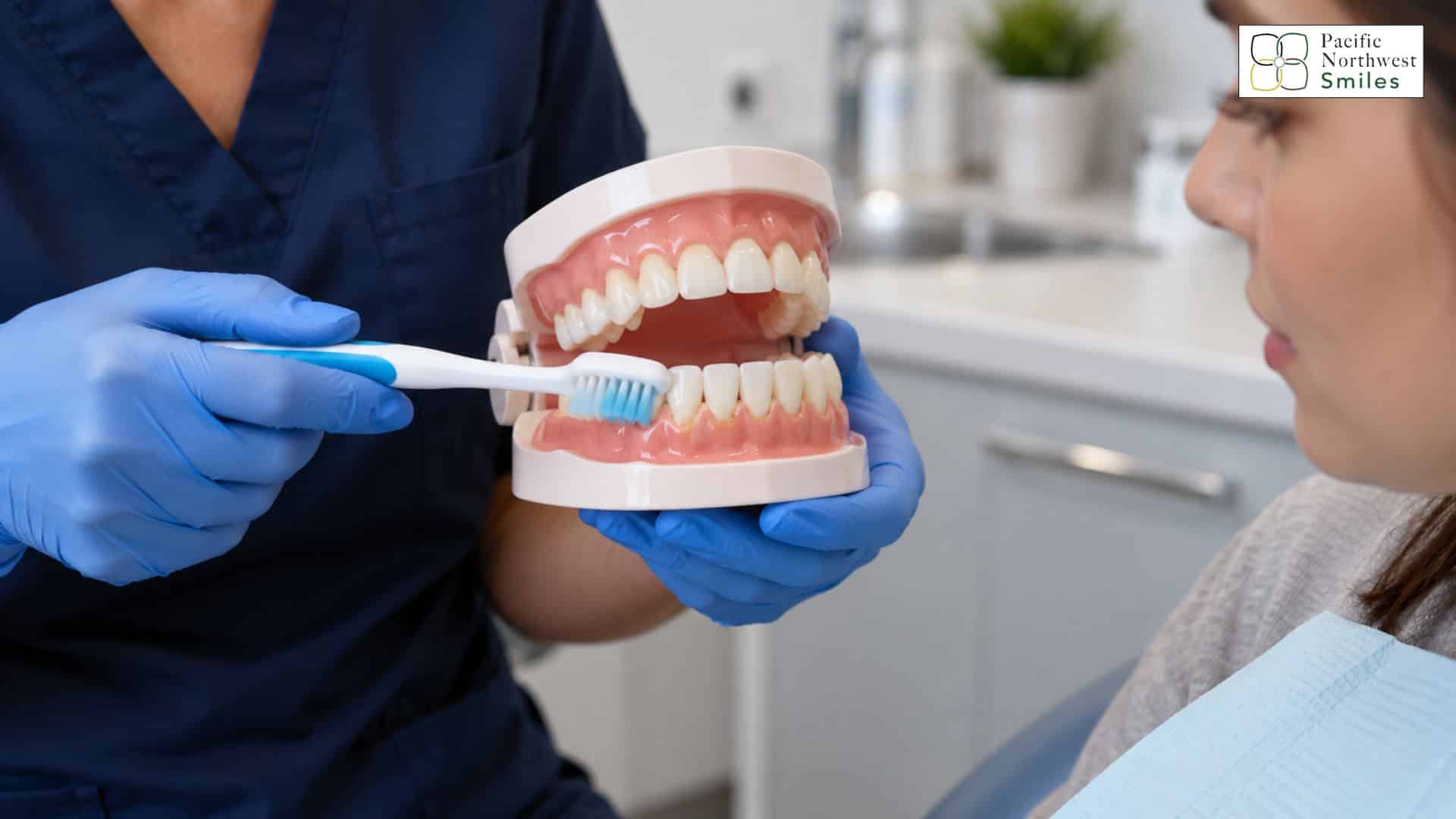
Plaque is a soft, sticky film of bacteria that brushing and cleaning between your teeth help remove. Tartar, also called calculus, is plaque that has hardened through mineral buildup. Once tartar forms, brushing and flossing cannot remove it. That explains why a rough deposit may remain even when you brush regularly. Daily cleaning controls new…
What Happens If You Haven’t Been to the Dentist in Years?
Categories: CEREC, Cosmetic Dentistry, dental emergency, Dental Implants, Dentistry, General Dentistry

If you have been putting off a dental appointment, you may be worried about what the dentist will find, how much treatment will cost, or feeling embarrassed about the time away. At Pacific Northwest Smiles, we want you to feel comfortable returning. Your first appointment gives us a chance to listen to your concerns, check…
What Does an Oral Cancer Screening Check During a Dental Exam?
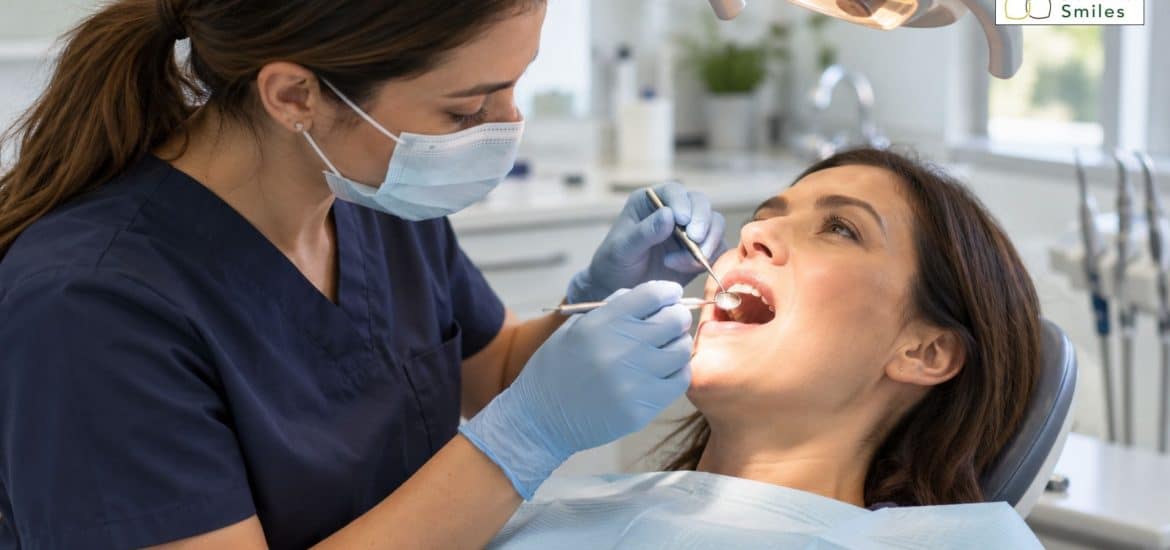
An oral cancer screening during a dental exam checks your mouth, tongue, lips, throat area, jaw, and neck for unusual tissue changes that may need a closer look. Your dentist may look for persistent sores, red or white patches, lumps, thickened tissue, or other changes that are different from surrounding areas. The examination is usually…
Can Veneers Fix Crooked Teeth?

Yes… porcelain veneers can sometimes improve the appearance of mildly crooked teeth. In cosmetic dentistry, veneers are often used to create the appearance of a straighter, more symmetrical smile without orthodontics. However, veneers are not always the right solution for every alignment issue. When Veneers May Work Well Veneers may help improve: Because veneers reshape…
How Long Do Porcelain Veneers Last?

One of the biggest reasons patients choose porcelain veneers is durability. Most porcelain veneers can last 10–15 years or longer with proper care. Some patients enjoy beautiful veneer results for decades. Why Porcelain Veneers Last So Long Porcelain is: This makes veneers one of the most reliable cosmetic dentistry options available. What Can Shorten Veneer…
Are Porcelain Veneers Worth It?

If you’ve been researching cosmetic dentistry, you’ve probably asked yourself: “Are porcelain veneers actually worth it?” It’s a smart question. Veneers are a significant investment, and most patients want to feel confident they’re making the right decision before moving forward. At Pacific Northwest Smiles in Mill Creek, many patients considering veneers are looking for more…
IV Sedation Dentistry in Mill Creek, WA: Comfortable Dental Care for Patients With Dental Anxiety

For many people, visiting the dentist can feel overwhelming. Dental anxiety is incredibly common, and for some patients it can lead to postponing important dental treatment for months—or even years. Fortunately, modern dentistry offers a solution designed specifically to help patients relax during treatment: IV sedation dentistry. At Pacific Northwest Smiles in Mill Creek, WA,…