


When you call an emergency dentist, explain what happened, where the problem is, when it started, and how it affects you. Mention swelling, bleeding, injury, or rapidly worsening symptoms at the beginning of the call. You do not need to diagnose the problem yourself. Describe what you can observe and what has changed. The dental…
General Dentistry
Can You Plan a Dental Implant Before a Tooth Is Extracted?

Yes, dental implant planning can often begin before a tooth is extracted. Discussing replacement options beforehand allows your dental team to evaluate the tooth, surrounding bone, gums, bite, and future replacement site together. Planning ahead does not mean an implant will be placed during the extraction appointment. Some patients need healing or additional site preparation…
What Does a Dark Line Around a Dental Crown Mean?

A dark line around a dental crown can have several possible explanations, and appearance alone cannot confirm whether the crown is damaged or whether decay is present. In some cases, the darker area may relate to the edge of the crown, the material underneath it, gum position, staining, or changes around the restoration. If the…
What If You Take Blood Thinners Before a Tooth Extraction?

If you take a blood thinner and need a tooth extraction, tell your dentist which medication you take, why it was prescribed, and who manages it. Do not stop, skip, or change your dose on your own. Taking a blood thinner does not automatically prevent an extraction. Your dental team needs to review your medication,…
Can a Chipped Porcelain Veneers Be Repaired or Replaced?
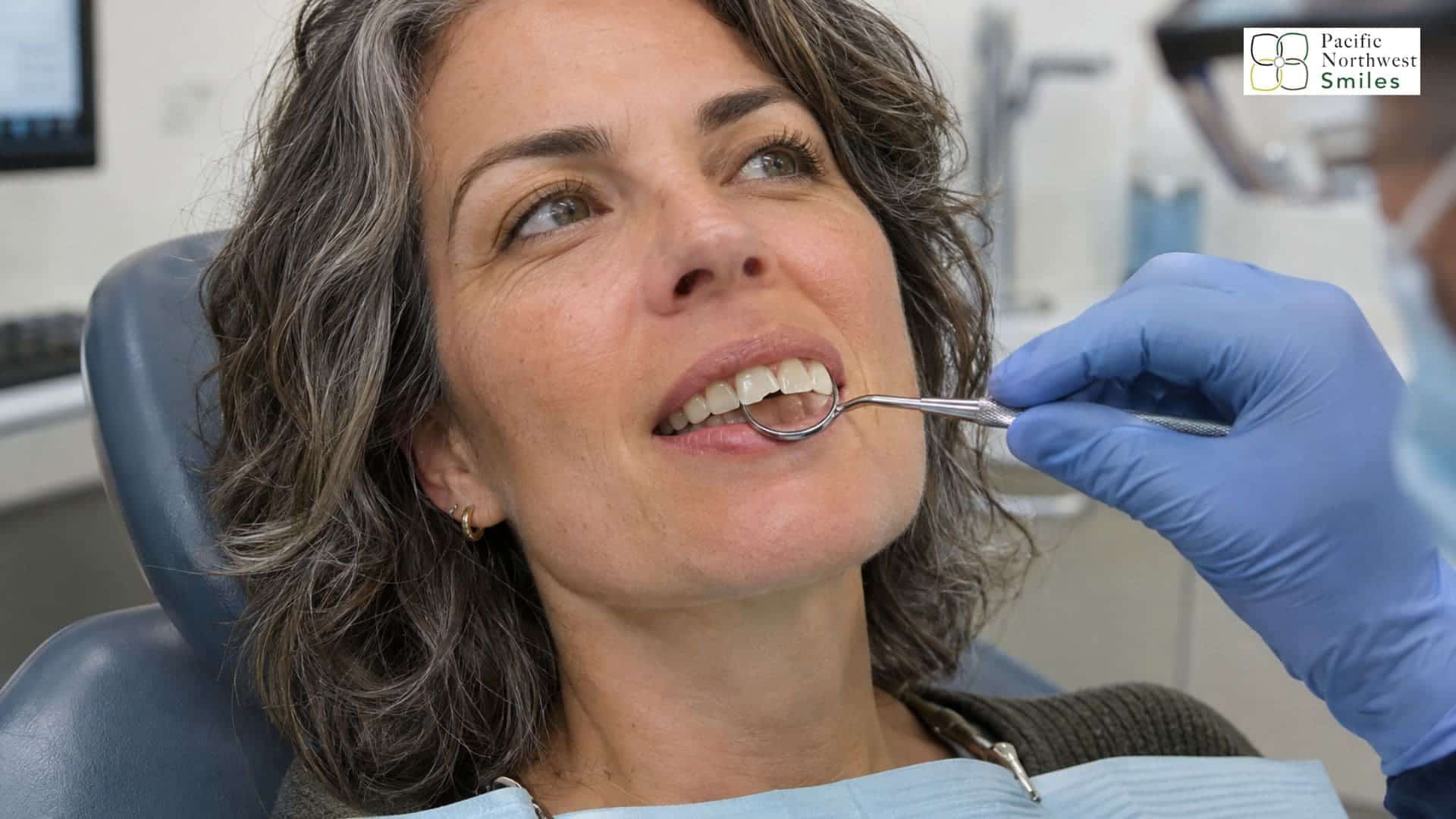
A chipped porcelain veneer can sometimes be repaired, while more extensive damage may require replacement. The decision depends on the chip’s size and location, the veneer’s attachment, the underlying tooth, and the forces placed on it when you bite. A tiny surface defect may need a different approach from a large fracture or loose veneer.…
What Should You Track Before a TMJ Appointment?
Categories: Cosmetic Dentistry, dental emergency, Dentistry, General Dentistry, Invisalign, Mill Creek Dentist

Before a TMJ appointment, it can help to keep a short record of when your jaw symptoms occur, what you are doing when they start, how long they last, and whether anything makes them better or worse. This information can give your dentist a clearer picture of patterns that may not be obvious during a…
Can You Have Invisalign If You Already Have a Dental Crown?
Categories: Cosmetic Dentistry, Dental Implants, Dentistry, General Dentistry, Invisalign, Mill Creek Dentist

Yes, having a dental crown does not automatically prevent you from having Invisalign treatment. However, the crown, the tooth underneath it, your bite, and the way that tooth fits into the proposed movement all need to be evaluated before treatment begins. A dental crown becomes part of the overall Invisalign treatment plan rather than something…
Bleeding Gums When Brushing: When Should You Be Concerned?

Bleeding gums when brushing often indicate inflammation around the gumline. Brushing too hard or using floss incorrectly can also irritate the tissue. However, if your gums bleed repeatedly, it is worth having them checked, even if you do not feel pain. Pay attention to how often the bleeding happens and whether you notice redness, swelling,…
Plaque vs. Tartar: Why Brushing Cannot Remove Everything
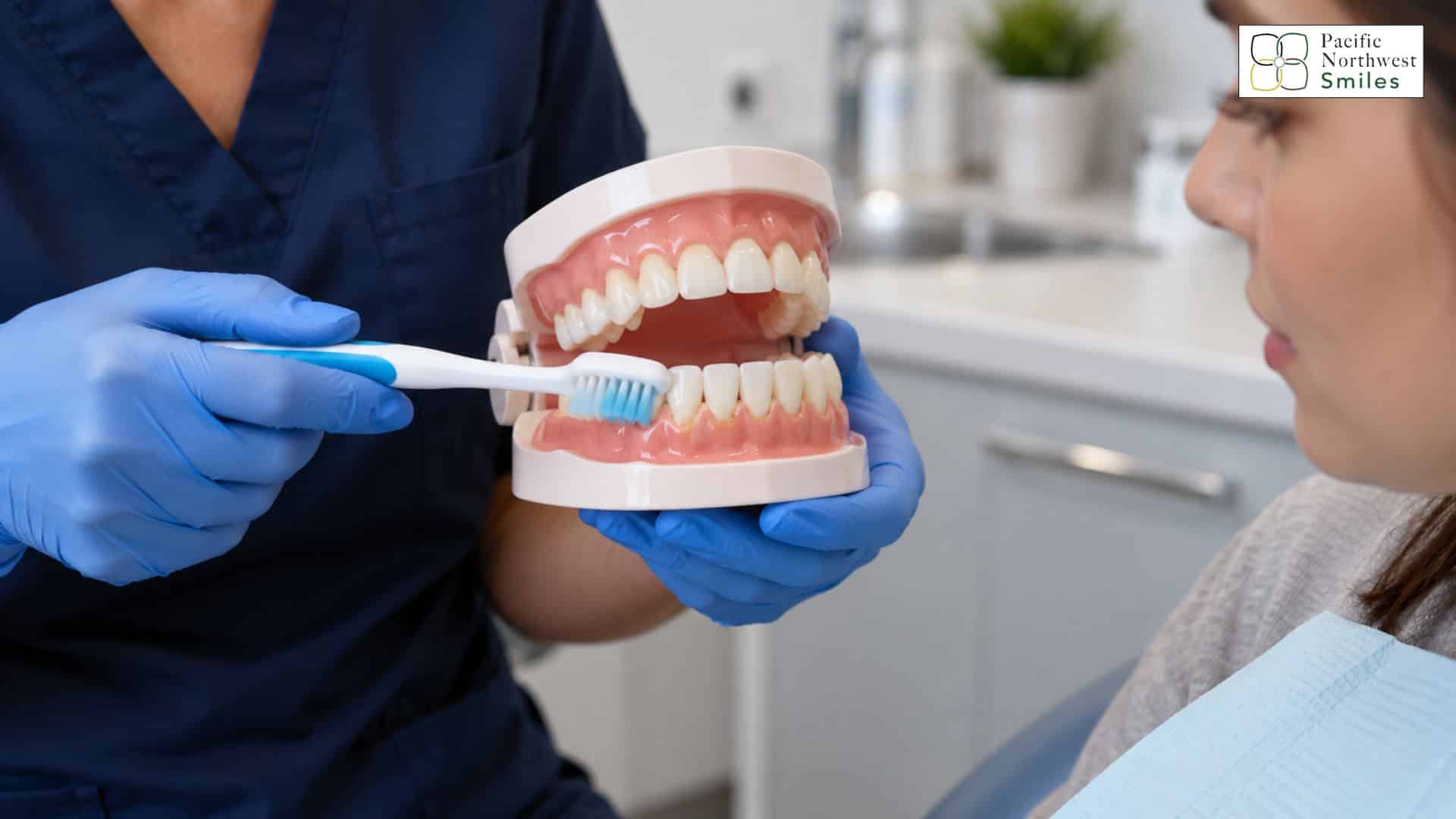
Plaque is a soft, sticky film of bacteria that brushing and cleaning between your teeth help remove. Tartar, also called calculus, is plaque that has hardened through mineral buildup. Once tartar forms, brushing and flossing cannot remove it. That explains why a rough deposit may remain even when you brush regularly. Daily cleaning controls new…
Do You Need Dental X-Rays at Every Checkup?
Categories: CEREC, Cosmetic Dentistry, dental emergency, General Dentistry, SLEEP DENTISTRY, Teeth Whitening
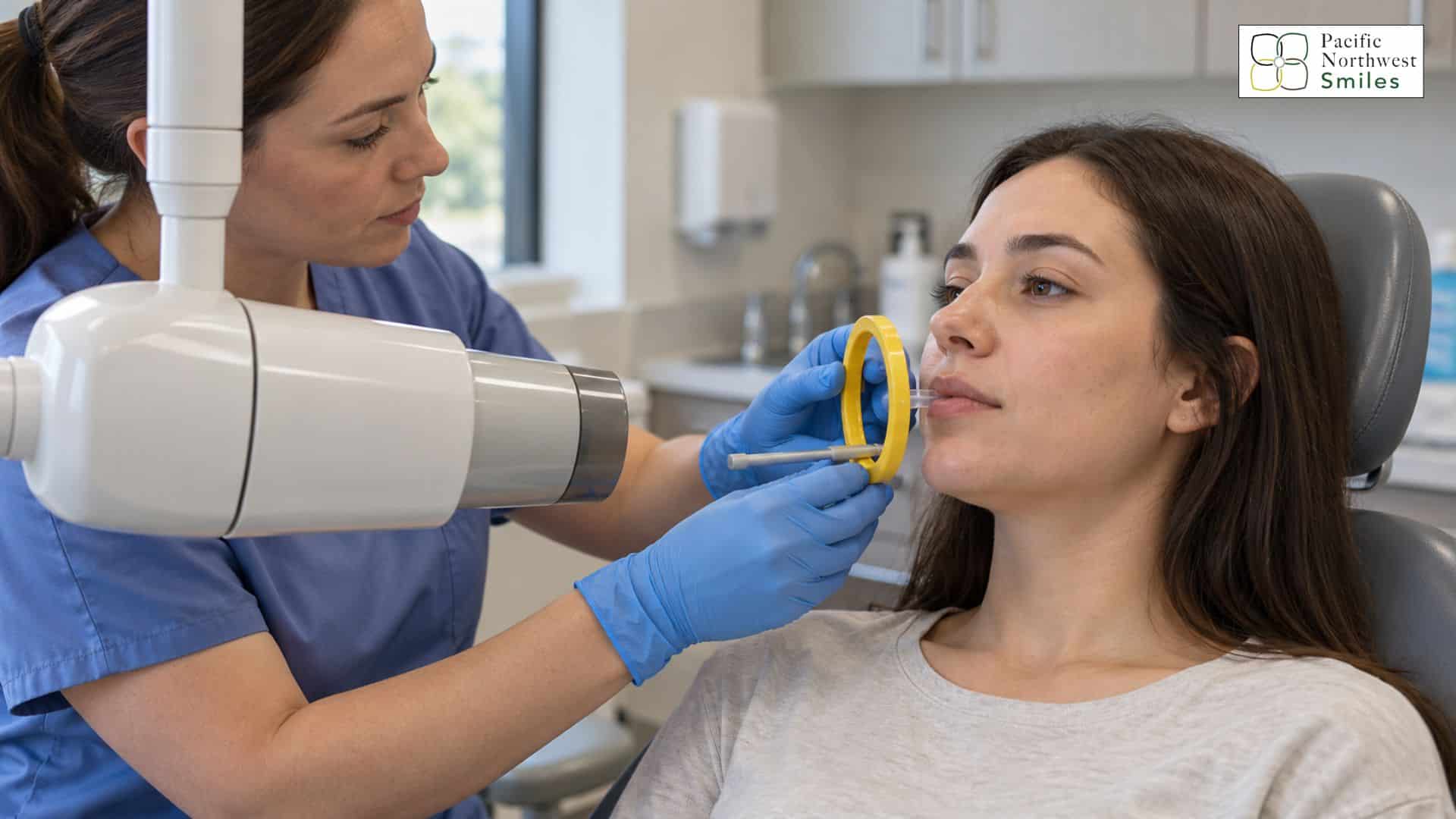
No. You do not automatically need dental X-rays at every checkup. Your dentist determines whether imaging is needed based on your oral health, symptoms, risk of dental disease, previous images, and examination findings. The American Dental Association and American Academy of Oral and Maxillofacial Radiology updated their patient-selection recommendations in 2026, emphasizing that imaging should…